
Mahe Co-operative College of Teacher Education
Course categories
Skip available courses
Available courses

The focus of the course is on the essentials of school management and challenges therein. This course is designed to throw light on the concept of management related to school. The purpose is to foster proper understanding of these essential concepts and to create necessary managerial skills and capabilities among student teachers so as to enable them efficiently manage schools.
- Teacher: VISMAYA K K FACULTY

This course provides a comprehensive understanding of Yoga as a holistic discipline that integrates physical, mental, and spiritual development. It introduces the philosophy, history, and practical dimensions of Yoga as outlined in traditional Indian texts such as the Yoga Sutras of Patanjali.
Students will explore the eight limbs of Yoga (Ashtanga Yoga), various branches and styles of Yoga, and the significance of asana (posture), pranayama (breathing techniques), and meditation in promoting overall well-being. The course emphasizes Yoga’s role in developing self-discipline, inner peace, emotional balance, and a healthy lifestyle.
- Teacher: Vipin K FACULTY
- Teacher: RAJITHA T M LIBRARIAN
This paper aims to equip the students with English knowledge for communication and Literature for appreciation. It develops the skill of communication in order to help children at various school levels towards effective communication. It helps to prepare and use the various teaching aids in learning of English. They should be familiar with the methods and techniques in the teaching and learning of English.
- Teacher: SIJINDAS TEACHER

This course aims to provide 8 core teaching skills
- Teacher: Nived C M FACULTY
Objectives
By the end of this course, learners will be able to:
- Use essential word processing, spreadsheet, and presentation tools effectively.
- Design, edit, and manage professional documents and reports.
- Apply spreadsheet formulas, functions, and data-analysis techniques for academic or administrative purposes.
- Create engaging multimedia presentations for classroom delivery.
- Organize and facilitate online classes using Google Classroom and related tools.
- Explore basic Artificial Intelligence applications relevant to teaching and learning.
- Integrate ICT tools to enhance student engagement, assessment, and collaboration.
- Teacher: Vipin K FACULTY
At the end of the course, the student-teachers will be able to:
-
Understand the aims and objectives of teaching English.
-
Familiarize themselves with the B.Ed. programme – especially the nature of language skills to be developed and their evaluation.
-
Identify and use IT sources/packages that support the effective teaching of English.
-
Develop proficiency in the four language skills:
-
Listening
-
Speaking
-
Reading
-
Writing
-
-
Practice effective teaching skills through micro-teaching.
-
Enhance their knowledge of grammar, vocabulary, and sentence structures.
-
Use English correctly and appropriately in diverse contexts, demonstrating a solid understanding of language rules and structures.
-
Think critically and analyze texts, expressing opinions with clarity and depth.
-
Evaluate and interpret information in English, participate in discussions, and communicate viewpoints coherently.
-
Apply effective strategies and techniques for language learning and self-improvement.
-
Read English texts with comprehension and communicate confidently in global contexts.
-
Communicate effectively and appropriately in real-life situations.
-
Make learning real, practical, and enjoyable for children.
-
Expand vocabulary by learning and introducing new words and phrases.
-
Understand the importance of lexis in enabling accurate and effective self-expression, reading comprehension, and writing skills.
- Teacher: Arun U FACULTY
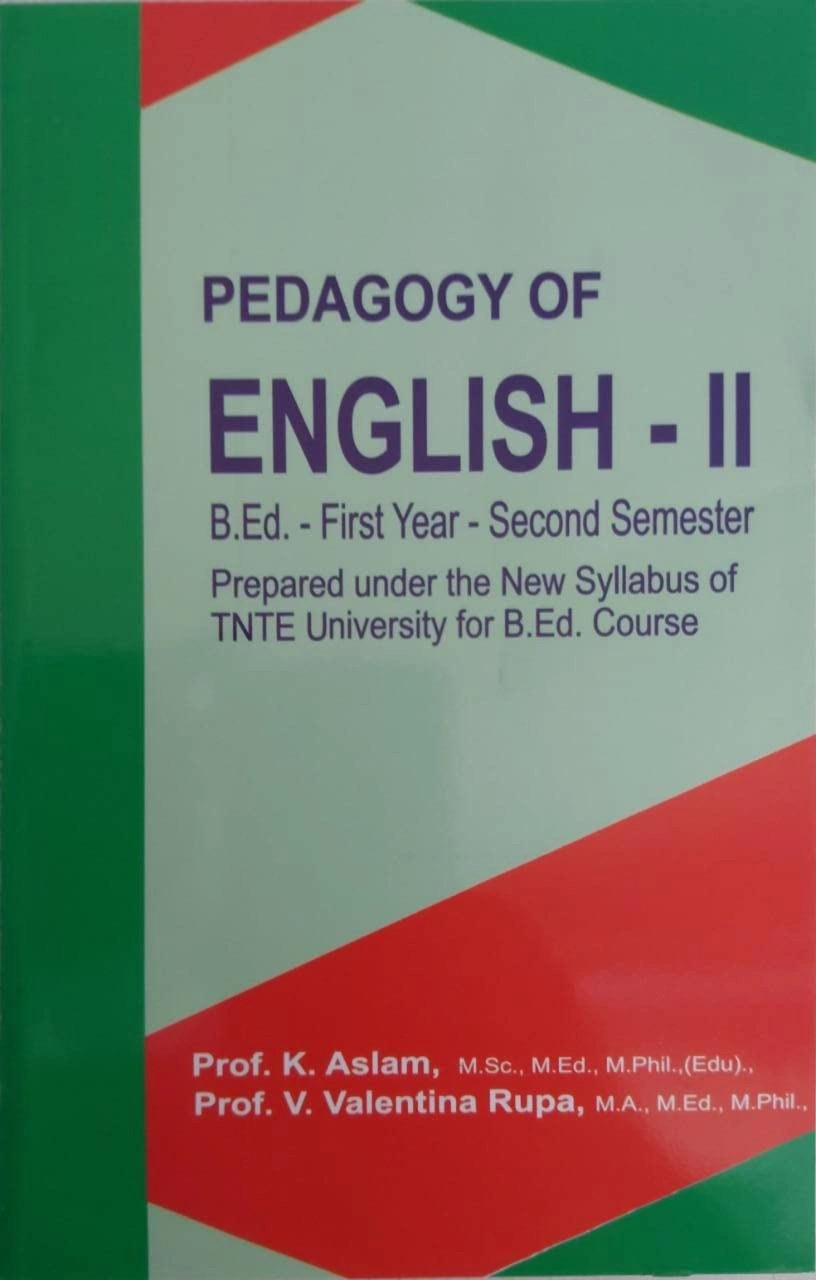
Pedagogy of English 2 (Optional 2 – English)
For students of English and Social Science option groups.
- Teacher: Arun U FACULTY
- Teacher: Arun U FACULTY

This course is intend to enhance the ability and skill of the student teacher in understanding the importance of science and its relevance to the existence of life in this earth and to teach the same with different techniques and approaches to the students of science learner. Further it enhances the competencies in developing the curriculum for science teaching at school levels. The development of the society is directly linked with the quality of science education and science educators.
- Teacher: Vivek T V FACULTY

By the end of the course, learners will be able to:
- Communicate confidently and accurately in everyday and academic situations.
- Demonstrate clear pronunciation, appropriate stress, and natural intonation.
- Participate effectively in conversations, discussions, and telephone interactions.
- Use a range of expressions, functional phrases, and vocabulary in real-life contexts.
- Deliver short speeches, presentations, and descriptions with clarity and poise.
- Apply effective classroom language for instructions, management, and feedback.
- Develop self-assurance and fluency through guided practice and performance.
- Teacher: Arun U FACULTY
Essence of the course:
This course sensitizes the learners the relevance of social science in the current context. It makes them familiar about the techniques and approaches of teaching social science. This course acquaints the preparation and administration of learning resources in the meaningful way. It develops the competency in making use of appropriate assessment system to apprise the learning outcomes. It also sensitizes the learners about the various social issues and mould them to face the same in a plausible way.
- Teacher: Namitha T FACULTY

Essence of the course:
Understanding and coping with the nature is the essential need for human beings. Keeping this in mind, this paper tries to develop interest among the student teachers about the environment which would help them to find the solution for environmental problems. It also intends to develop a growing concern about the environment and its related issues.
- Teacher: Revathy Madhusoodanan FACULTY

ESSENCE OF THE COURSE
Most of the philosophers of the world advocate women’s equality and empowerment, constitution have long ago framed laws to preserve and protect equality of gender. Still the seat of power and authorities in the Indian social context is more often than not firmly rooted in patriarchy. The meaning and experience of being a boy or a girl is not. The same across different social groups, religion and time periods. Enormous growth in women’s development and the increasing inequality seem and felt in contrast as initiated this course. The course is humble effort made to sensitize gender equality in society and school. The course will enable the student to identify the gender crisis, create awareness on gender equality, refine women’s students being prey to untold atrocities of home and society and equip students with available laws.
- Teacher: VISMAYA K K FACULTY

The course is designed keeping in mind the role of assessment in enhancing learning. It will focus on various tools and techniques of evaluation. There will also be focus on continuous and comprehensive evaluation. The course will also deal with critical understanding of issues in assessment and also explore realistic, comprehensive and dynamic assessment process. Thec ourse will also give emphasis on the need for formative and summative evaluation as well as quantitative and qualitative assessment for learning.
- Teacher: Harshith Rag V FACULTY

Essence of the course:
This course is to enable student teachers to specialize in mathematics teaching to
develop an understanding of the curriculum and linking school knowledge with
community life. The course includes reconstruction of mathematical knowledge through
appropriate pedagogic processes and to communicate meaningfully with students.
- Teacher: Nithin Lal FACULTY

This course makes student- teacher to understand the systematic study of childhood,adolescence and their development, make them to learn children at different ages through theoretical and interaction with learners in school. The main focus of this course is to prepare student- teachers to accept different constructivist nature of different children which is influenced by their family, school,neighbourhood and community background in particular and political, social, and cultural dimension in general. It gives them knowledge about various theories of child development
- Teacher: PADMALEKHA V M FACULTY
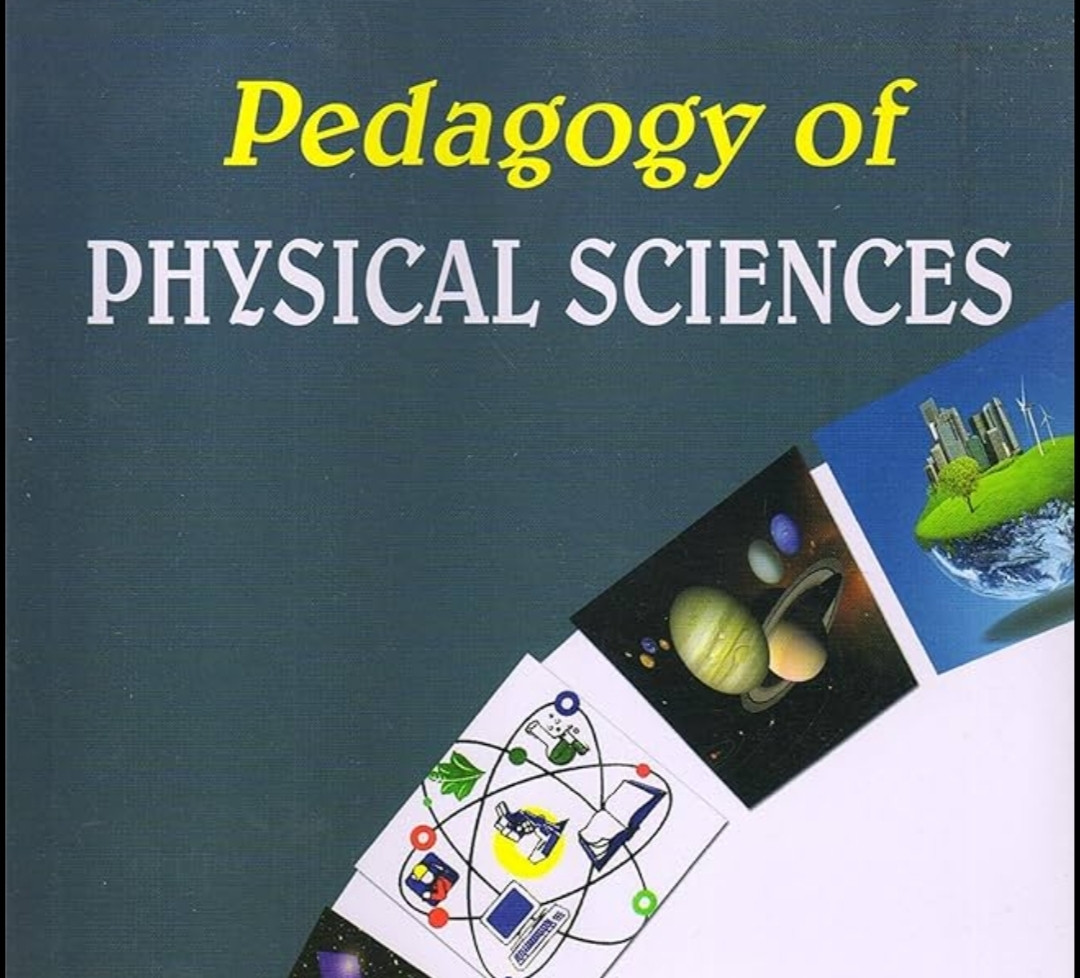
Physical Science is a general science, after having learning this Course, student teachers understand the epistemological and pedagogical bases of physical science subject. They Pedagogy is integration of knowledge about the learner, the subject and the societal context. This course comprisesof - the nature of the physical science subject, the aims and pedagogical approaches for the teaching of physical science at different stages of school; and deeper theoretical understanding of children in diverse social contexts.
- Teacher: Nived C M FACULTY

This course provides a comprehensive understanding of the science of nutrition and its vital role in promoting health, preventing disease, and enhancing overall well-being. Students will explore the fundamentals of nutrients—carbohydrates, proteins, fats, vitamins, minerals, and water—and their physiological functions in the human body. The course also addresses energy balance, dietary guidelines, food choices, and the impact of nutrition on different stages of the life cycle.
Emphasis will be placed on evidence-based approaches to healthy eating, critical evaluation of nutrition information, and practical strategies for applying nutritional knowledge in daily life. Through lectures, discussions, and interactive activities, students will develop the skills necessary to make informed food and lifestyle choices that support long-term health.
- Teacher: Vipin K FACULTY
At the end of the course, the student-teachers will be able to:
-
Understand the aims and objectives of teaching English.
-
Familiarize themselves with various aspects of the B.Ed. programme, with special reference to language skills development and evaluation.
-
Identify and use IT sources/packages that are helpful in teaching English.
-
Develop proficiency in the four language skills:
-
Listening
-
Speaking
-
Reading
-
Writing
-
-
Practice effective teaching skills through micro-teaching.
-
Enhance their knowledge of grammar, vocabulary, and sentence structures.
-
Use English correctly and appropriately in different contexts, demonstrating a clear understanding of language rules and structures.
-
Think critically and analytically about texts, and express opinions clearly.
-
Evaluate and interpret information in English, engage in discussions, and express viewpoints with clarity and coherence.
-
Apply effective strategies and techniques for language learning and self-improvement.
-
Read with comprehension and communicate confidently with people around the world.
-
Communicate effectively and appropriately in real-life situations.
-
Make learning real, practical, and enjoyable for children.
-
Develop vocabulary by introducing new words and phrases.
-
Understand the importance of lexis in enabling accurate, effective self-expression, and improving reading comprehension and writing skills.
- Teacher: Arun U FACULTY
Essence of the course:
This course is to enable student teachers to specialize in mathematics teaching to
develop an understanding of the curriculum and linking school knowledge with
community life. The course includes reconstruction of mathematical knowledge through
appropriate pedagogic processes and to communicate meaningfully with students.
- Teacher: Nithin Lal FACULTY
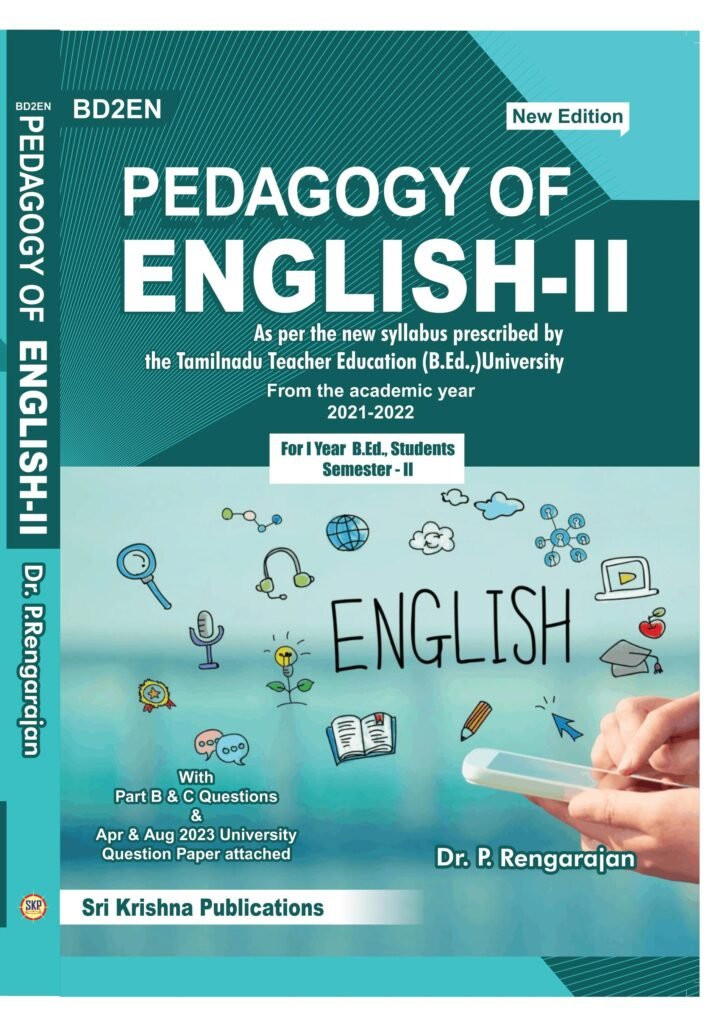
At the end of the course, the student teacher will be able to:
-
Develop English language teaching competency.
-
Understand and appreciate the importance of English.
-
Critically study the learning of English as a second language in the multilingual Indian society.
-
Understand the role of English in India and improve English language attainment.
-
Acquire the skill of preparing lesson plans to teach English.
-
Write lesson plans to teach grammar and composition.
-
Prepare and use appropriate teaching aids to make teaching attractive and effective.
-
Develop the various macro-skills for teaching the English language.
-
Apply different methods, techniques, and strategies of English Language Teaching (ELT).
- Teacher: Arun U FACULTY

ESSENCE OF THE COURSE:
The course is designed keeping in mind the role of assessment in enhancing learning. It will focus on various
tools and techniques of evaluation. There will also be focus on continuous and comprehensive evaluation.
The course will also deal with critical understanding of issues in assessment and also explore realistic,
comprehensive and dynamic assessment process. The course will also give emphasis on the need for
formative and summative evaluation as well as quantitative and qualitative assessment for learning.
OBJECTIVES: -The students should be able to specify the characteristics of the instruments of evaluation -To know about the teaching effectiveness and its assessment procedures - To compare Continuous and Comprehensive modes of evaluation - To specify the uses of tools of evaluation through Qualitative techniques -To specify the uses of tools of evaluation through Self-reporting technique.
- Teacher: Harshith Rag V FACULTY
Essence of the course:
This course sensitizes the learners the relevance of social science in the current context. It makes them familiar about the techniques and approaches of teaching social science. This course acquaints the preparation and administration of learning resources in the meaningful way. It develops the competency in making use of appropriate assessment system to apprise the learning outcomes. It also sensitizes the learners about the various social issues and mould them to face the same in a plausible way.
At the end of the course, the student teacher will be able to
Develop the ability to use hardware and software in social science teaching.
Utilize different technological multimedia in teaching social science.
Develop ability to design different evaluation tools
Develop their interest to use various community resources to teach social science.
Understand the different supporting devices of social science teaching.
Develop the ability to analyse the content in social science at secondary level.
Discuss current affairs in social science club.
- Teacher: Namitha T FACULTY
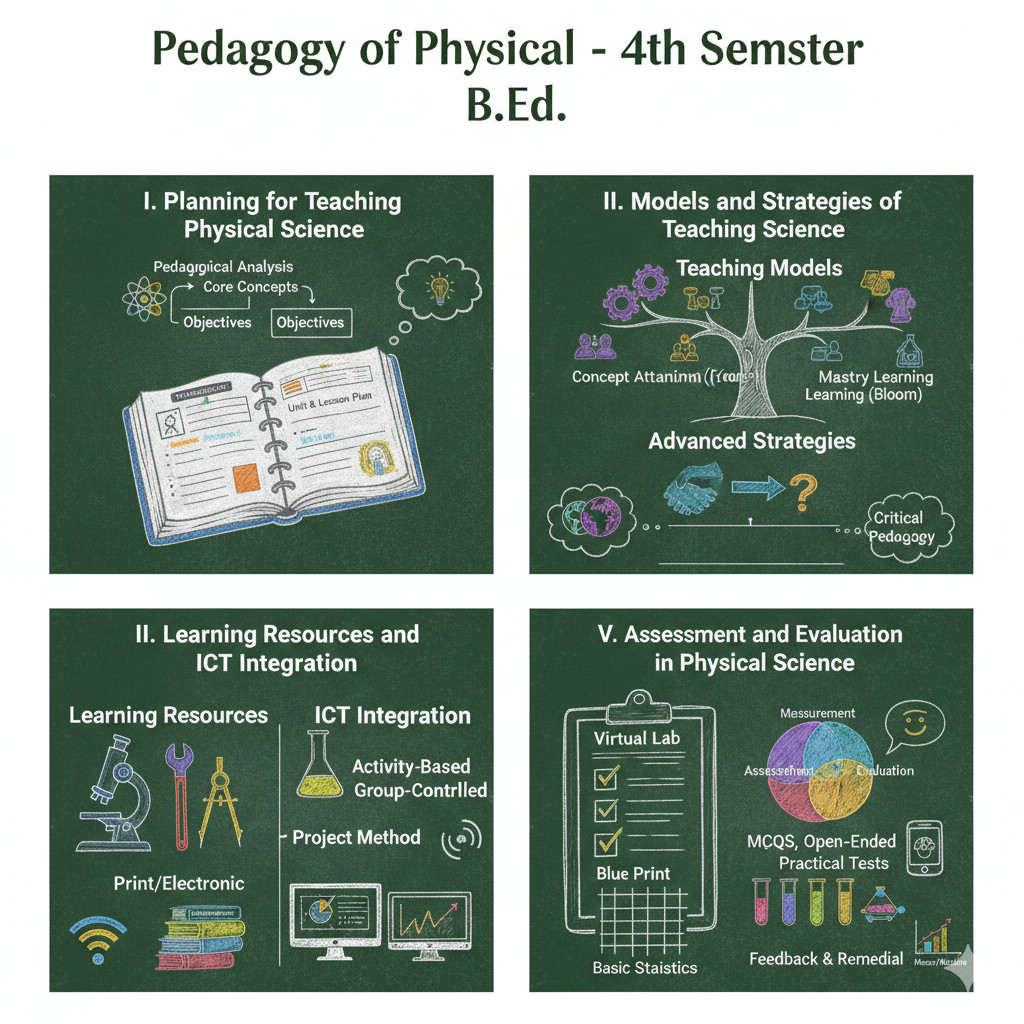
Physical Science is a general science, after having learning this Course, student teachers understand the epistemological and pedagogical bases of physical science subject. They Pedagogy is integration of knowledge about the learner, the subject and the societal context. This course comprises of - the nature of the physical science subject, the aims and pedagogical approaches for the teaching of physical science at different stages of school; and deeper theoretical understanding of children in diverse social contexts.
The student-teachers will revisit basic concepts of physics and chemistry which was given in upper primary and secondary school books. The student-teachers will work with such theoretical studies as well as on the field with school children from different backgrounds, They will capable to critically examine teaching learning processes that incorporate enquiry, discovery, conceptual development, activity based learning, etc. within the classroom.
- Teacher: Nived C M FACULTY
At the end of the course, the student teachers will be able to:
-
Acquire knowledge of the sound systems of English and familiarize themselves with the appropriate terminology to describe English sounds.
-
Understand the connections in English speech and develop good pronunciation and fluency.
-
Familiarize themselves with textbook contents related to High School and Higher Secondary classes.
-
Develop an insight into the symbiotic relationship between curriculum, syllabus, and textbooks.
-
Think critically, analyze texts, and express their opinions effectively.
-
Incorporate digital tools and online resources in English language instruction.
-
Be motivated through awareness of the importance of English in various aspects of life.
-
Write compositions correctly using appropriate punctuation marks and capitalization.
-
Recognize why English is a valuable asset for all who use it as their medium of communication.
-
Express themselves creatively and imaginatively.
-
Create awareness among students about English learning resources such as apps, dictionaries, videos, and audio materials available online.
-
Encourage students to think in English before speaking.
-
Compose freely and independently in both speech and writing.
-
Understand that teaching composition involves presenting language materials within a prescribed range of grammatical and lexical items.
-
Ensure that teachers cover all essential topics in class by preparing proper lesson plans.
-
Create a defined flow of classroom activities and provide structured schedules for effective teaching.
-
Acquire the ability to effectively transfer knowledge to their students, encouraging active interaction and participation.
-
Focus on meaningful knowledge and skill acquisition or reinforcement.
- Teacher: Arun U FACULTY

ESSENCE OF THE COURSE
In the 21st century knowledge society, knowledge explosion is compelling the educational administrators to enrich the curriculum to develop the human resources according to the requirements of the world community. Therefore this course is focusing on the knowledge and curriculum aspects.
The purpose of knowledge and curriculum is to be understood from the epistemological and sociological perspectives of education. The course can enable the student teachers to gain confidence in curriculum design and evaluation by focusing the future directions.
- Teacher: VISMAYA K K FACULTY
This course will enable the learner to develop proper knowledge on the meaning of ICT, its importance and the various platforms of ICT. This course will also make the learner to realize the importance of professional development and professionalism. This course will provide the student- teacher to explore the fundamental concepts on Physics and Chemistry .
- Teacher: Nived C M FACULTY
- Teacher: Nithin Lal FACULTY
Essence of the course:
This course helps to sensitize the learners the relevance of social science in the current context. It makes them familiar about the techniques and approaches of teaching social science. It helps the learner well acquaint the preparation and administration of learning resources in the meaningful way. It also develops the competency in making use of appropriate assessment system to apprise the learning outcomes. This course deals about the various social issues and mold them to face the same in a plausible way.
Objectives:
At the end of the course, the student teacher will be able to
Identify the role of the social science teacher as a national builder.
Know the existing problems of the learner and their society.
Develop ability for critical and logical thinking and apply the acquired knowledge and skills in unfamiliar situations.
Acquire the knowledge about social science text book.
Develop practical skills for analyzing socio-economic, political and physical phenomena through co-curricular activities.
Find out the difficulties of the learner through diagnostic test and provide remedy to overcome it.
Organize the social science laboratory in an appropriate design.
- Teacher: Namitha T FACULTY
Essence of the course:
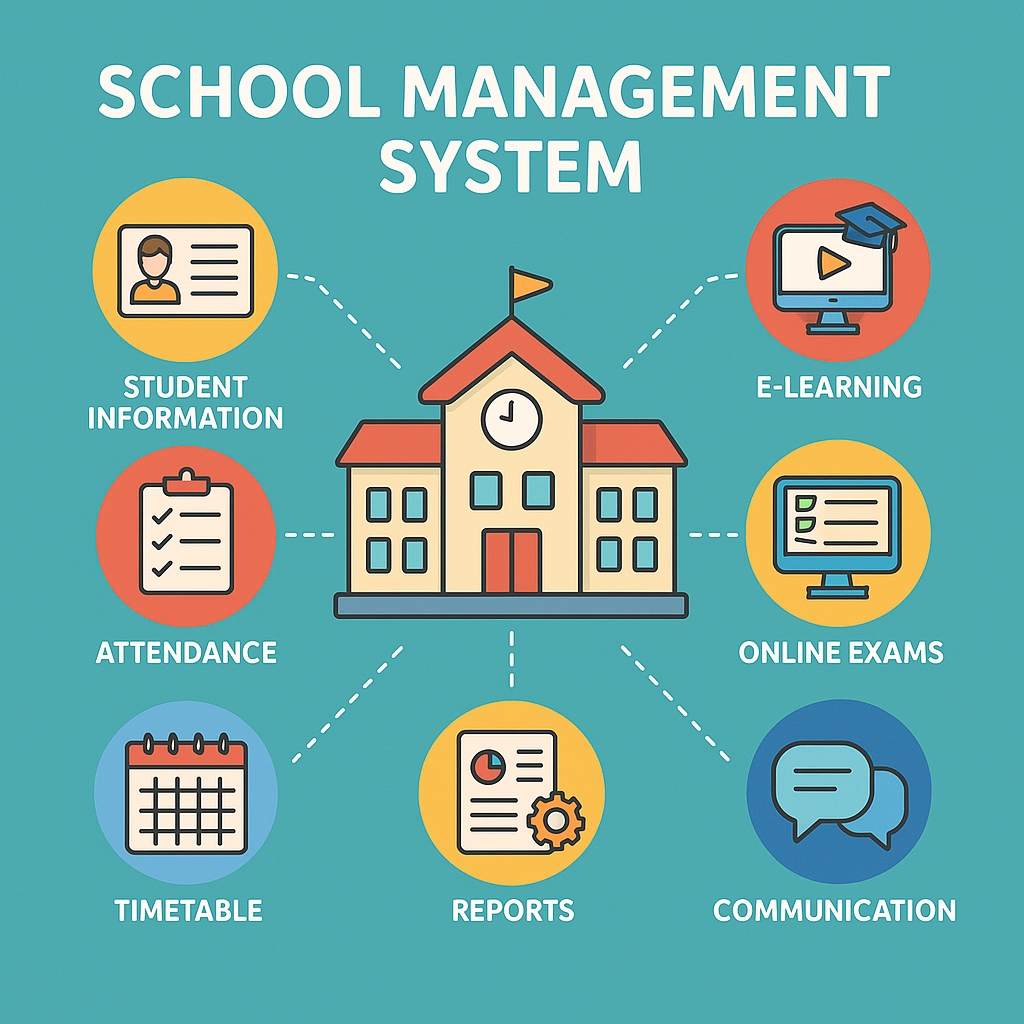
The focus of the course is on the essentials of school management and the challenges therein.
This course is designed to throw light on the concepts of management related to School. The purpose
is to foster proper understanding of these essential concepts and to create necessary managerial skills
and capabilities among student teachers so as to enable them efficiently manage schools.
Objectives:
At the end of the course, the student teacher will be able to
1. Understand the basic concepts of school management.
2. Understand different components of school management
3. Realize the multifaceted role of teacher/head teacher.
4. Sensitize the student teachers about the concept of child rights in the process of School
Management.
5. Explain the factors contributing to the success of supervision and to acquaint with the modern
trends in Supervision and Inspection.
6. Discuss the present examination system and suggest some innovations.
- Teacher: Harshith Rag V FACULTY
At the end of the course, the student-teacher will be able to:
-
Develop English language teaching competency.
-
Equip themselves with skills to meet challenges in the teaching and learning process.
-
Acquire good pronunciation for communication approaching native-speaker level.
-
Understand and appreciate the importance of English.
-
Expand their vocabulary for listening, reading, speaking, and writing.
-
Understand the importance of evaluating students’ achievement in English language.
-
Speak English fluently and accurately.
-
Identify the relationship between the syllabus, textbook, and curriculum.
- Teacher: Arun U FACULTY
At the end of the course, the student-teacher will be able to:
-
Acquire knowledge of current trends in teaching English.
-
Become acquainted with techniques of oral presentation and practice of language items.
-
Understand the structure of English language and its component skills.
-
Improve proficiency in using English for practical and utilitarian purposes.
-
Gain skills in preparing and using PowerPoint presentations for teaching English.
-
Listen to English with proper understanding, speak English correctly with accurate stress and intonation, read English, and comprehend and interpret texts.
-
Identify main ideas and supporting details and draw logical conclusions from spoken and written texts.
-
Effectively use reference materials such as encyclopedias, dictionaries, and other sources.
-
Analyze and understand different types of errors made by students in English usage.
-
Improve the skill of translation between languages.
-
Understand the importance of media perspectives, including social networking sites and e-learning tools, in language learning and teaching.
- Teacher: Arun U FACULTY
ESSENCE OF THE COURSE
Modern world is marching towards technology and scientific innovations. Keeping these changes in mind, this course tries to enable the student teachers to be aware of learning and teaching deeply. This also intends to develop a positive attitude towards the process of teaching and learning which would help the trainees to adopt various strategies of learning and teaching with reference to various levels of learning. It also enables the trainees to adopt various modern tools and techniques for facilitating learning and teaching
- Teacher: PADMALEKHA V M FACULTY
This course is to enable students to specialize in teaching English as second language and
to develop an understanding of the modern day teaching approaches to teach grammar, vocabulary
and pronunciation. It aims to equip the student teacher with English knowledge for listening and
reading. The course focuses on developing the ability of the future Teachers to transact language
in inclusive classroom.
- Teacher: SIJINDAS TEACHER
The student-teachers will revisit basic concepts of laboratory and how to use the laboratory as an effective teaching learning resource. Also this course enables the leaner to understand concept of Curriculum, its types and organization in the teaching –learning process. This course also enables the
learner to realize the importance of Science text-book.
- Teacher: Nived C M FACULTY
- Teacher: Nithin Lal FACULTY

Objectives:
At the end of the course the student teachers will be able to
acquire knowledge of terms and concepts used in Indian society, communities and groups with focus on government policy frame work socialisation and sociological aims of Education
understand Inequality and the importance of equality, stratification, causes of diversity, marginalised society
apply the constitutional values related to Education and social diversity
develop the skills to respect collective living, resolution of tension peacefully and justly
develop interest on language policies, multilingual education to understand contemporary India and education
develop the attitude towards plebianisation, liberalisation, privatisation and stratification in Education from global point of view.
- Teacher: Revathy Madhusoodanan FACULTY
Essence of the course:
This course helps to sensitize the learners the relevance of social science in the current context. It makes them familiar about the techniques and approaches of teaching social science. It helps the learner well acquaint the preparation and administration of learning resources in the meaningful way. It also develops the competency in making use of appropriate assessment system to apprise the learning outcomes. This course deals about the various social issues and mold them to face the same in a plausible way.
Objectives:
At the end of the course, the student teacher will be able to
Acquire basic knowledge and skills to analyse and transact the Social Science curriculum effectively in wide-range of teaching.
Understand the role of national policy of education to formulate the curriculum.
Acquire a conceptual understanding on the process of teaching and learning Social Science
Solve social issues and concerns in a responsible manner.
Understand the importance of models of teaching in teaching various social science concepts.
Know the usage of internet and intranet in social science teaching learning process.
- Teacher: Namitha T FACULTY

Essence of the course:
The focus of the course is on the essentials of school management and the challenges
therein. This course is designed to throw light on the concepts of management related to School.
The purpose is to foster proper understanding of these essential concepts and to create necessary
managerial skills and capabilities among student teachers so as to enable them efficiently
manage schools.
Objectives:
At the end of the course, the student teacher will be able to
1. Understand the basic concepts of school management.
2. Understand different components of school management
3. Realize the multifaceted role of teacher/head teacher.
4. Sensitize the student teachers about the concept of child rights in the process of School Management.
5. Explain the factors contributing to the success of supervision and to acquaint with the modern trends in Supervision and Inspection.
6. Discuss the present examination system and suggest some innovations.
- Teacher: Harshith Rag V FACULTY
At the end of the course, the student-teacher will be able to:
-
Develop English language teaching competency.
-
Understand and appreciate the importance of English.
-
Examine the characteristics of a textbook and relate them to one’s own teaching ideas.
-
Provide feedback on how well the textbook works in practice and how effectively it achieves its aims.
-
Clarify misunderstandings and ensure that both parties are on the same page in communication.
-
Know about effective communication and build strong interpersonal relationships.
-
Inform, influence, inspire, motivate, build relationships, learn, gain inspiration, promote oneself, and socialize through effective communication.
-
Have a critical understanding of learning English as a second language in the multilingual Indian society.
-
Prepare and use appropriate teaching aids to make teaching more effective.
-
Understand the different approaches and methods of teaching English.
-
Acquire a greater range of vocabulary to listen, read, speak, and write effectively.
-
Develop skills in listening, speaking, reading, writing, viewing, presenting, and performing.
-
Develop sensitivity to the formal and aesthetic qualities of texts and appreciate how they contribute to diverse responses and multiple meanings.
-
Identify, analyze, interpret, and describe the critical ideas, values, and themes that appear in literary and cultural texts.
-
Understand how literary ideas, values, and themes inform and impact culture and society.
-
Investigate errors made by second and foreign (L2) learners to understand the strategies and techniques used in second language learning through error analysis.
-
Understand the importance of evaluating students’ achievement in English language learning.
-
Understand and appropriately use grammatical structures and vocabulary in communication and teaching.
- Teacher: Arun U FACULTY
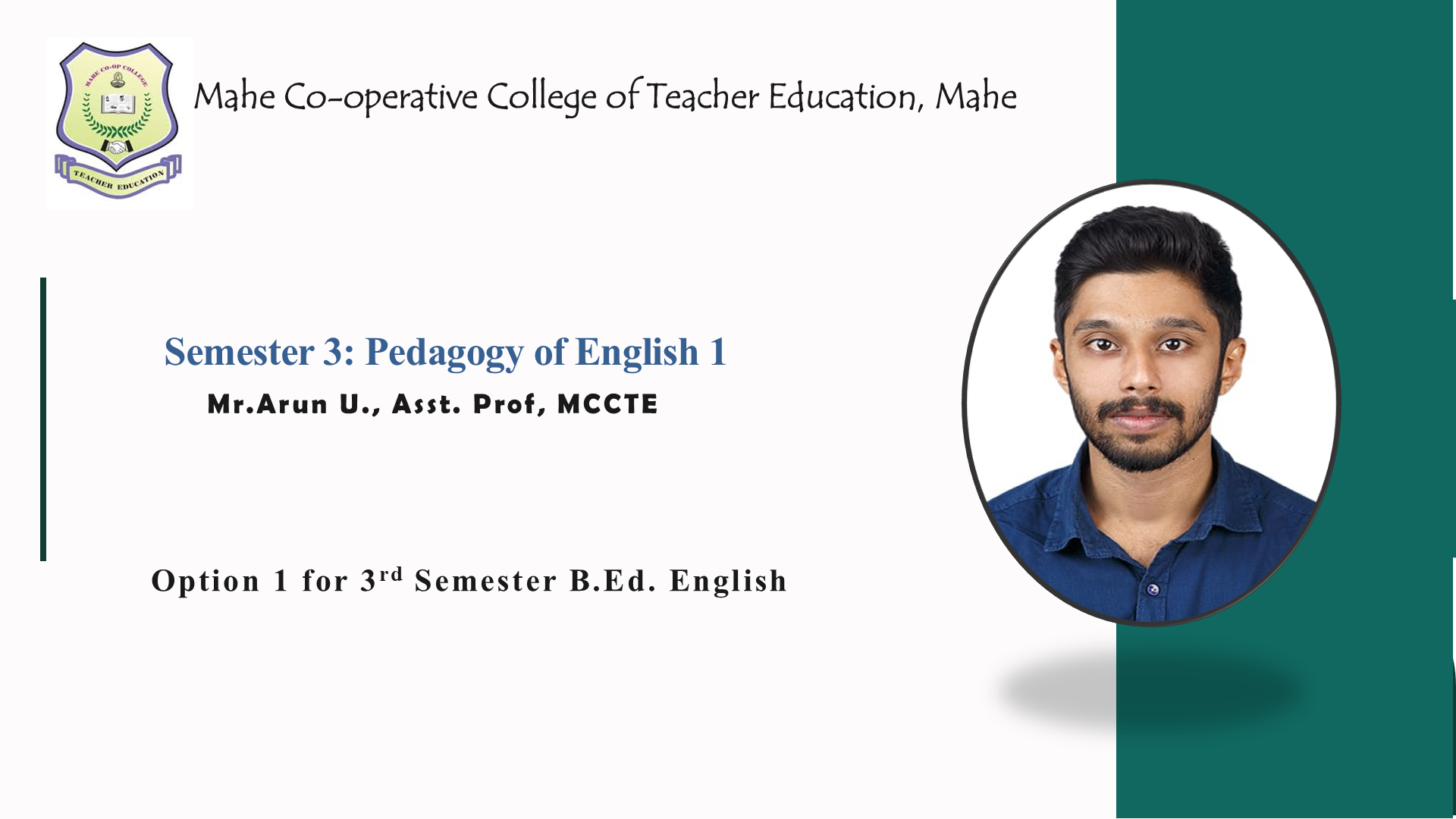
At the end of the course, the student-teacher will be able to:
-
Acquire knowledge of the current trends in the teaching of English.
-
Acquaint themselves with techniques of oral presentation and the practice of language items to improve proficiency in using English for utilitarian purposes.
-
Familiarize themselves with the contents of the high school English textbook.
-
Develop good pronunciation and fluency of speech.
-
Acquire a working knowledge of grammatical terminology and the grammatical system of English.
-
Understand the devices that ensure cohesion and coherence in English discourse.
-
Understand and use modal auxiliaries to express various concepts and functions.
-
Analyze the units of English textbooks prescribed for Classes VIII and IX.
-
Analyze the question papers of Classes VIII and IX in terms of content, understanding, and skills.
-
Acquaint themselves with the preparation and effective use of various learning aids in the teaching of English.
- Teacher: Arun U FACULTY